Best Yarn for Amigurumi Beginners: What Actually Works (And What I Use)
Author
Angie Woolshie
Hi, friends! I’m a Filipina mama living in Hungary with my little one and my Hungarian husband. I crochet during naptime, in the early morning, and on slow afternoons — and I design patterns for moms and quiet makers like you.
Woolshie is my small corner of the internet, built on warmth, gentle creativity, and the belief that making something with your hands is a kind of love. Happy making!
If you’ve been searching for the best yarn for amigurumi, you’re not alone. It’s one of the most common questions beginners ask — and honestly, one of the most confusing ones to answer. Cotton or acrylic? DK weight or sport weight? Milk cotton? Chenille? Plush yarn? Suddenly, choosing yarn feels harder than actually learning to crochet.
When I first started making amigurumi, I assumed any yarn would do. Technically, you can make amigurumi with almost anything. But after years of crocheting tiny stuffed animals, food plushies, and decorative dolls, I’ve learned that some yarns genuinely make the process easier, cleaner, and so much more enjoyable — especially for beginners.
This post isn’t a yarn textbook. It’s practical, honest advice from a crocheter currently based in Hungary, where the yarn selection looks very different from what many tutorials online recommend. I’ll cover everything you need to know: the best yarn types for amigurumi, the right yarn weight to use, what I personally reach for when making Woolshie patterns, and how to pick yarn without overthinking it — no matter where in the world you’re crocheting.
What Is Amigurumi? A Quick Overview
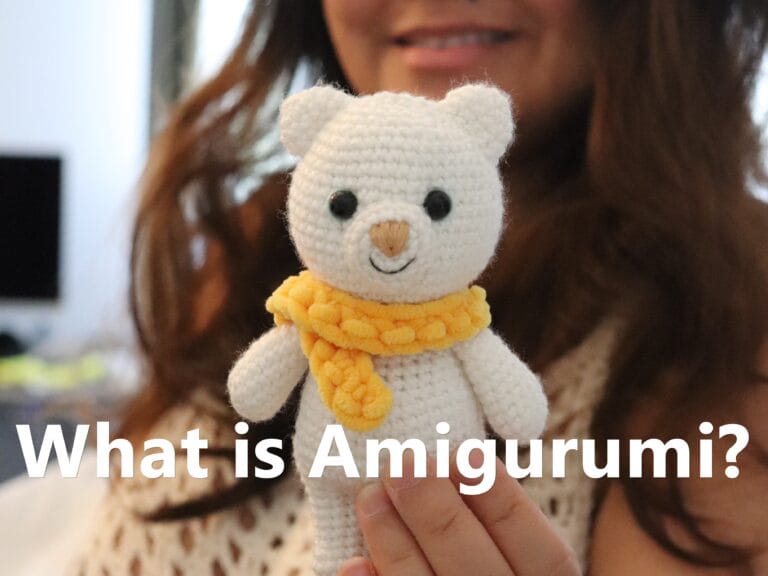
Before we dive into yarn, a quick note for anyone just discovering this craft. Amigurumi is the Japanese art of crocheting or knitting small, stuffed toy characters — animals, food, fantasy creatures, everyday objects. The word comes from Japan and has since become a global craft movement loved for its creativity, charm, and meditative process.
The wonderful thing about amigurumi is that it’s approachable for beginners. You don’t need a huge yarn stash or expensive supplies. You just need the right starting point — and that begins with choosing a good beginner-friendly yarn.
Cotton vs. Acrylic Yarn for Amigurumi: Which Is Better?
This is the most searched question in the amigurumi community, and the honest answer is: both work. They just produce different results, and the best choice depends on your priorities as a crocheter.
Cotton Yarn for Amigurumi
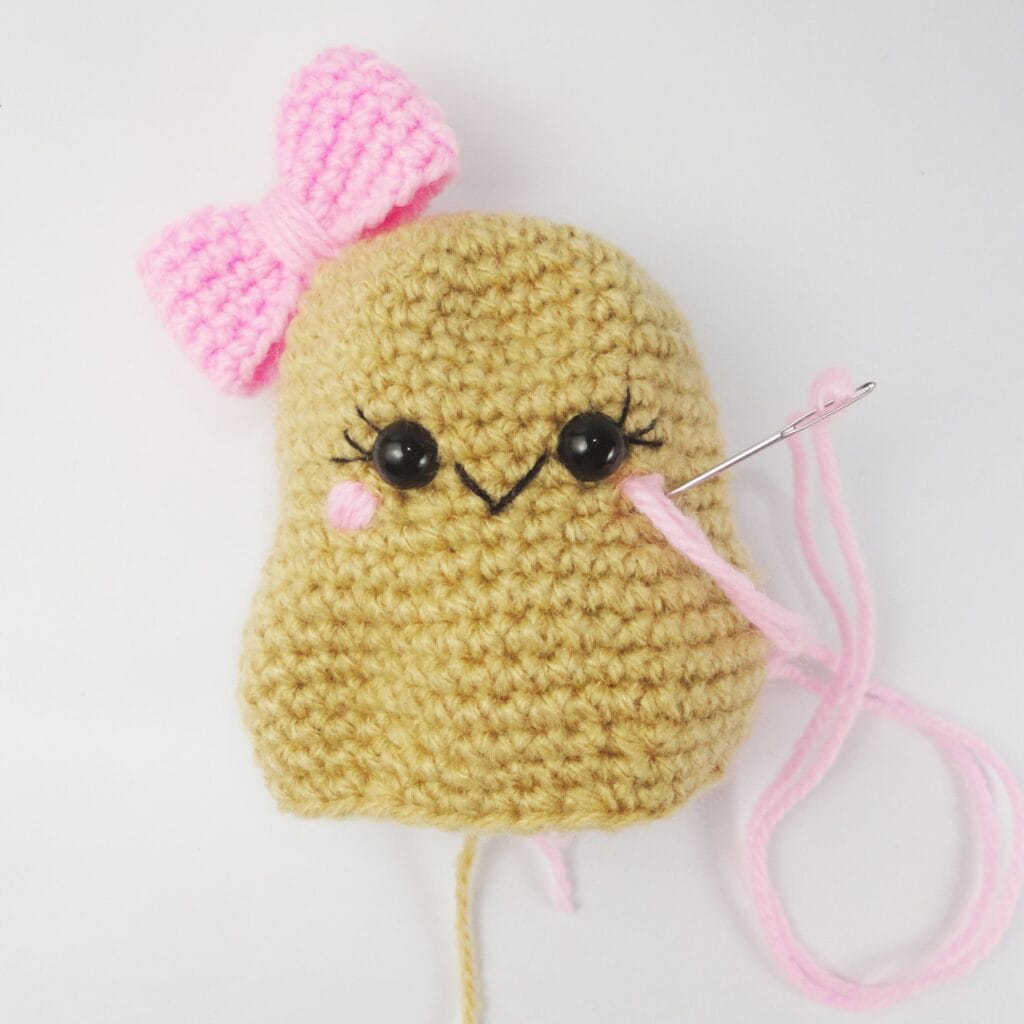
Cotton yarn is currently my personal favourite for amigurumi, and here’s why: stitch definition. With cotton, every individual stitch shows up cleanly, making your finished plushie look polished and professional. Cotton also holds its shape exceptionally well, which is essential for amigurumi with structured bodies, tiny features, or detailed parts.
The trade-off is that cotton has very little stretch, which some beginners find less forgiving at first. Some cheaper cotton yarns can also feel stiff or rough. That said, once you get used to it, cotton produces a noticeably cleaner finish than most acrylic alternatives.
Acrylic Yarn for Amigurumi
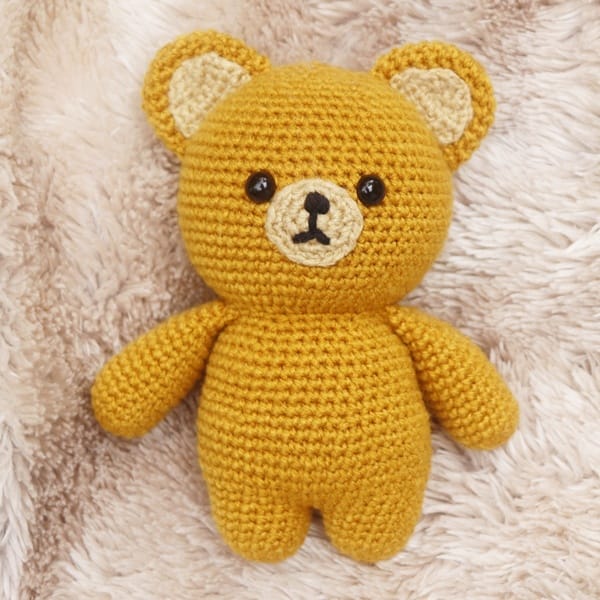
Acrylic yarn is softer, squishier, and almost always more budget-friendly. Its natural stretch makes it easier for new crocheters to tension their stitches consistently, and it comes in an enormous variety of colours.
Many of my earlier amigurumi were made entirely with acrylic, and some of them are still among my favourite pieces. I still keep acrylic in my yarn stash today — particularly for small accent details like spikes, hair, and accessories where I need a very specific colour or texture that I can’t find in cotton.
The main drawback with acrylic is that lower-quality brands can become fuzzy or pill over time, and stitch definition isn’t always as crisp.
Side-by-Side Comparison
| Feature | Cotton Yarn | Acrylic Yarn |
|---|---|---|
| Stitch Definition | Excellent | Medium |
| Softness | Medium to soft | Usually very soft |
| Shape Holding | Excellent | Good |
| Stretch | Low | Higher |
| Beginner Friendly | Medium | Very beginner-friendly |
| Best For | Detailed amigurumi | Soft plushies and accents |
| Durability | Very durable | Depends on quality |
The best yarn for amigurumi is ultimately the one that makes you look forward to picking up your hook. There is no wrong answer here.
What Cotton Yarn Weight Should You Use for Amigurumi?
Yarn weight is one of those terms that sounds more complicated than it actually is. For amigurumi specifically, you’ll most commonly work with three weights: sport, DK, and worsted.
Sport Weight Yarn
Sport weight produces small, delicate amigurumi with very neat, refined stitches. The downside is that projects take longer because everything is worked in miniature. It’s a beautiful choice for experienced crocheters who love detail, but may feel slow and fiddly for complete beginners.
DK Weight Yarn
DK weight is the sweet spot for amigurumi — not too thin, not too thick. Most of my current Woolshie patterns are designed around DK or similar lightweight cotton yarns because I love the balance of detail, scale, and manageability. If you’re unsure where to start, DK is almost always the right answer.
Worsted Weight Yarn
Worsted is thicker and works up faster, making it ideal for larger plushies or absolute beginners who want to clearly see every stitch as they go. The finished result will be bigger and chunkier, but it’s a great confidence-builder.
For most Woolshie patterns, I recommend DK cotton yarn with a 2.5 mm to 3.5 mm crochet hook, worked with tight stitches for a clean amigurumi finish. That said — don’t stress about getting the exact weight perfect when you’re just starting out. Your finished piece may turn out slightly larger or smaller than expected, and that’s completely fine.
The Best Yarns for Amigurumi: What I Actually Use
Here are the yarns I reach for most often in my own crochet work:
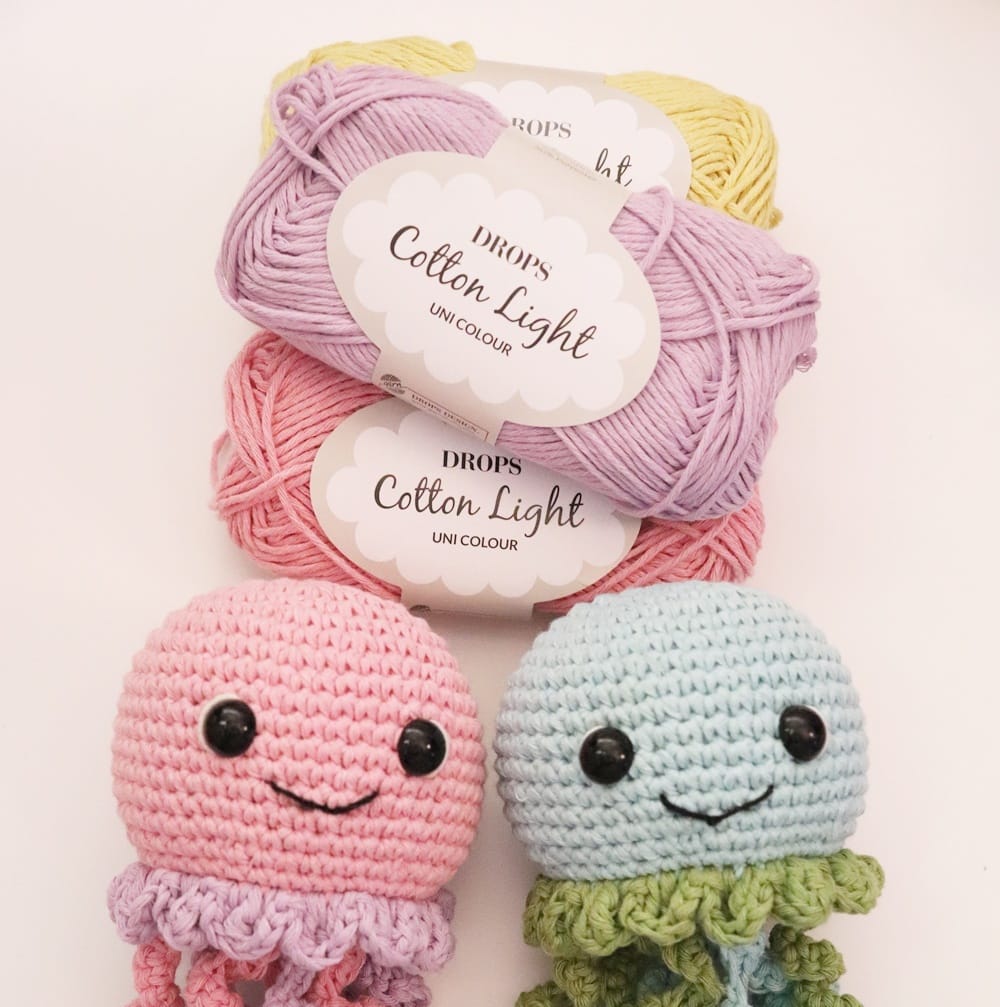
DROPS Cotton Light
One of my current top recommendations for amigurumi. DROPS Cotton Light is soft, lightweight, and gives a clean, smooth finish without feeling stiff. The colour range is beautiful — lots of warm, earthy tones and pastels that suit the cosy Woolshie aesthetic I work toward. I use it particularly for food amigurumi, small animals, and decorative plushies.
Panni by Patent
A budget-friendly cotton option that’s relatively easy to find here in Hungary. Affordability matters enormously when you crochet regularly, and Panni delivers solid, consistent results at a price that doesn’t add up painfully over time. I reach for it when testing new patterns, making beginner samples, or working on multi-colour projects.
Schachenmayr Cotton
Reliable, widely available across Europe, and excellent for stitch definition. It has a slightly more structured feel than softer cotton blends, which is helpful for amigurumi pieces that need to hold a specific shape. It also photographs exceptionally well, which matters when you’re creating patterns or sharing work online.
Acrylic Yarn — Still Worth Keeping
Even though I now work predominantly with cotton, I always keep good acrylic yarn on hand. It remains my first choice for small accent details, hair, spikes, accessories, and any colour I simply can’t source in cotton. There’s no reason to abandon your acrylic stash.
Chenille and Bulky Yarn for Plushies
Now here’s a yarn type that deserves its own honest conversation — chenille.
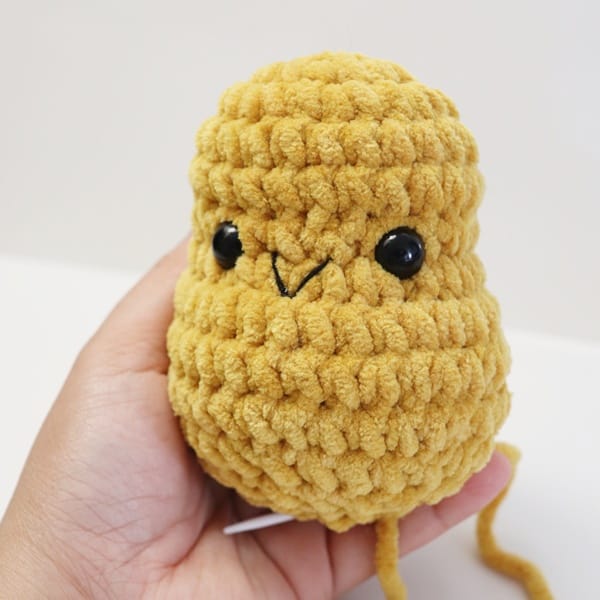
I’ve been working with chenille yarn and bulky weight yarn recently for plushies, and I won’t sugarcoat it: it is challenging. Anyone who tells you chenille is beginner-friendly is leaving something out.
Chenille has a dense, velvety texture made up of tiny fibres along a twisted core. That texture is exactly what makes it so appealing for plushies — the finished result is incredibly soft, almost irresistibly squeezable, and has that luxurious stuffed-animal quality that cotton and acrylic simply can’t replicate. When someone picks up a chenille amigurumi, the first thing they always say is how soft it feels. That reaction alone makes the effort worth it.
But here’s what makes it tricky, especially for beginners:
Chenille hides your stitches almost completely. Because of the dense fibre texture, you often can’t see where one stitch ends and the next begins. This makes counting rounds, identifying mistakes, and frogging (undoing stitches) genuinely frustrating. It also tends to split easily while you’re working, which slows everything down.
Bulky weight adds another layer of challenge. Bulky chenille especially requires a larger hook, and the combination of thick yarn plus hidden stitches means tension control becomes critical. If your stitches are too loose, the stuffing will show through. Too tight, and the fabric becomes stiff and distorted.
So why use it at all? Because when you push through the learning curve, the results are genuinely stunning. Chenille plushies have a warmth and softness that photographs beautifully and feels incredible in person. For gift-making, children’s toys, or display pieces, chenille elevates the finished product in a way that’s hard to achieve with other yarns.
I’m currently experimenting with chenille for some upcoming Woolshie pieces, and I have a lot more to share on this topic — the specific hooks that work best, how to count stitches without losing your mind, and which chenille brands I’ve tried so far. That’s coming in a dedicated blog post very soon, because chenille honestly deserves its own full guide.
For now: if you’re a beginner, hold off on chenille until you’re comfortable with the basics. If you’re an intermediate crocheter looking for your next challenge with a beautiful payoff — chenille might be exactly what you’re ready for.
Colour and Texture Tips for Cuter Amigurumi Results
One of the most underestimated aspects of amigurumi is colour selection. The yarns you choose, and how you combine them, have a huge impact on how charming your finished piece looks.
The most successful amigurumi designs typically use soft earthy tones, warm neutrals, muted pastels, and thoughtful colour combinations. Very bright neon colours can sometimes make stitch details harder to see — both while crocheting and in photos.
A few habits I’ve developed over the years:
Use lighter colours when you’re learning. Stitches are much easier to count and see on light-coloured yarn, which matters a lot when you’re still building confidence.
Avoid very fuzzy yarn at first. Fluffy or hairy yarns obscure your stitches, making it harder to learn correct tension and technique.
Mix textures thoughtfully. Smooth cotton combined with a fluffy accent yarn in just the right place can look absolutely adorable — but overdoing it gets messy fast.
Test your colours together before you start. Hold your chosen yarns side by side in natural light. What looks like a perfect combination in-store can read very differently once you’re crocheting.
Prioritise comfort. If a yarn hurts your hands or feels scratchy to work with, you’re going to dread picking up your project. Comfort matters more than people admit.
Frequently Asked Questions About Amigurumi Yarn
What is the best yarn for amigurumi beginners?
For absolute beginners, a smooth DK weight acrylic yarn is the easiest starting point. It’s forgiving, stretchy, and widely available. As you gain confidence, transitioning to DK cotton yarn will give you cleaner stitch definition and a more polished finish.
Can I use any yarn for amigurumi?
Technically yes, but not all yarns produce equally clean results. Avoid very fuzzy or textured yarns when starting out, as they hide your stitches and make it harder to learn. Smooth cotton or acrylic yarns are the most beginner-friendly choices.
Is cotton or acrylic better for amigurumi?
Both are excellent with different strengths. Cotton gives sharper stitch definition and better shape retention. Acrylic is softer, stretchier, and usually more affordable. Many crocheters use both — cotton for the main body and acrylic for specific accents or colours.
Can you use chenille yarn for amigurumi?
Yes, and the results are incredibly soft and beautiful — but chenille is not recommended for beginners. It hides stitches, splits easily, and requires good tension control. Once you’re comfortable with the basics, chenille is a wonderful next challenge. A full guide on crocheting with chenille is coming soon here on Woolshie.
What hook size should I use for amigurumi?
For DK weight cotton yarn, a 2.5 mm to 3.5 mm crochet hook is a good range. You want tight stitches that the stuffing can’t push through. If you can see gaps between stitches, try going down a hook size.
Does yarn brand matter for amigurumi?
Less than you might think. Focus on finding a smooth, consistent DK or sport weight cotton or acrylic, and you’ll get good results regardless of brand. As you develop preferences, you’ll naturally gravitate toward specific yarns that suit your style.
My Summary: The Best Yarn Is the One You’ll Actually Use
When beginners ask me what yarn to start with, my answer is always the same: start with what you can access and afford right now.
You do not need the perfect yarn to make something beautiful. Some of my most beloved crochet pieces came from leftover yarn, unexpected colour choices, or experimenting without a clear plan. Over time, you naturally discover what fibres, textures, and weights make you happiest to work with.
Right now, my personal go-to yarns are DROPS Cotton Light, Panni by Patent, and Schachenmayr Cotton. They suit the clean, warm, cosy aesthetic I create for Woolshie patterns. But acrylic has a permanent place in my stash, and I use it without hesitation whenever it’s the right tool for the job.
The most important thing is not the yarn label. It’s that you enjoy the process — and that whatever is in your hands makes you want to keep crocheting.
Happy making.
Disclaimer: This post is based entirely on my own personal crochet experience across both the Philippines and Hungary. It is not sponsored, and all opinions are genuinely my own.
Are You a Total Beginner to Crochet?
At Woolshie, crochet tutorials and beginner course are available for free. Browse the course you are interested to learn.
You Might Love these Amigurumis
- Clara the Chicken – Free Amigurumi Pattern
- Macy Mouse – Free Beginner Amigurumi Pattern
- Polar Bear Amigurumi – Free Crochet Pattern
- Crochet Narwhal – Free Pattern for Beginners
- All Free Crochet Patterns →
Looking for a Crochet Buddy?
Let’s get connected! I would love to be your crochet buddy, sharing crochet WIPS and finished makes!