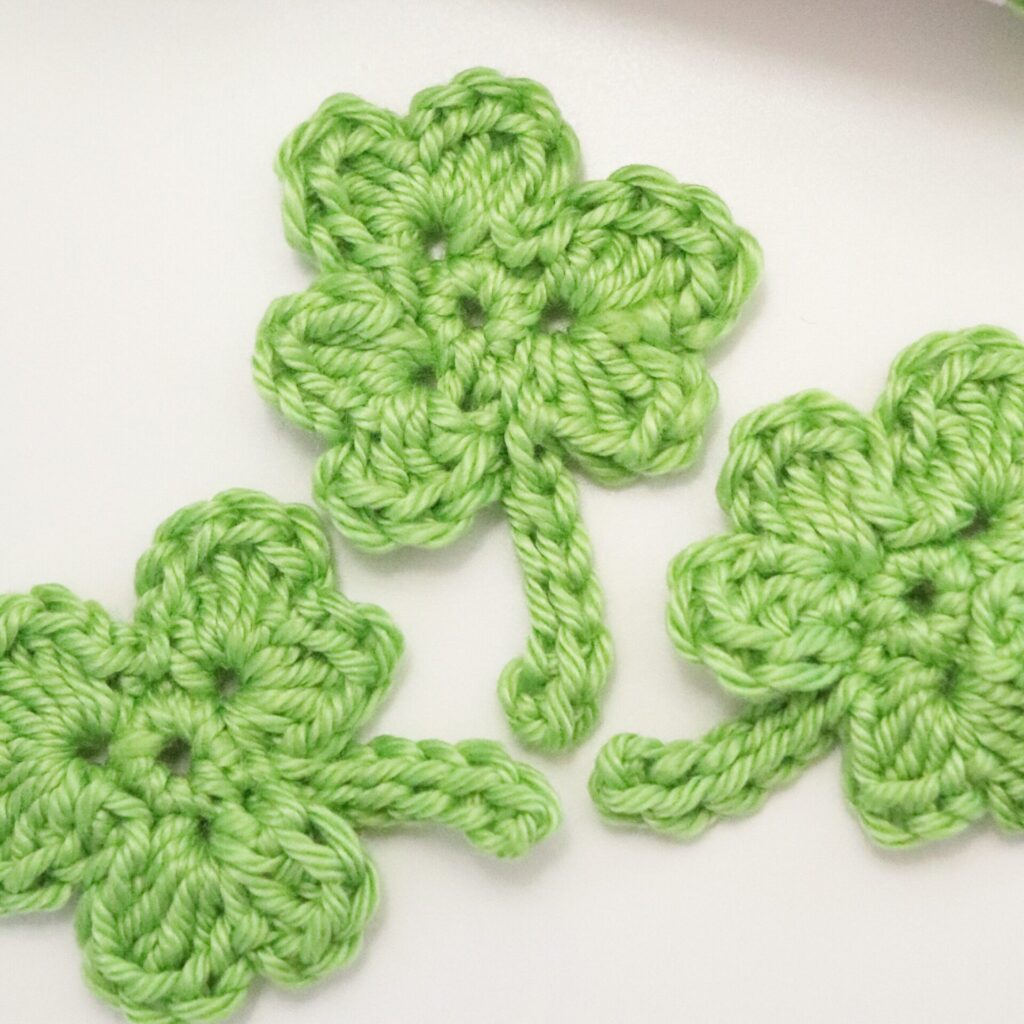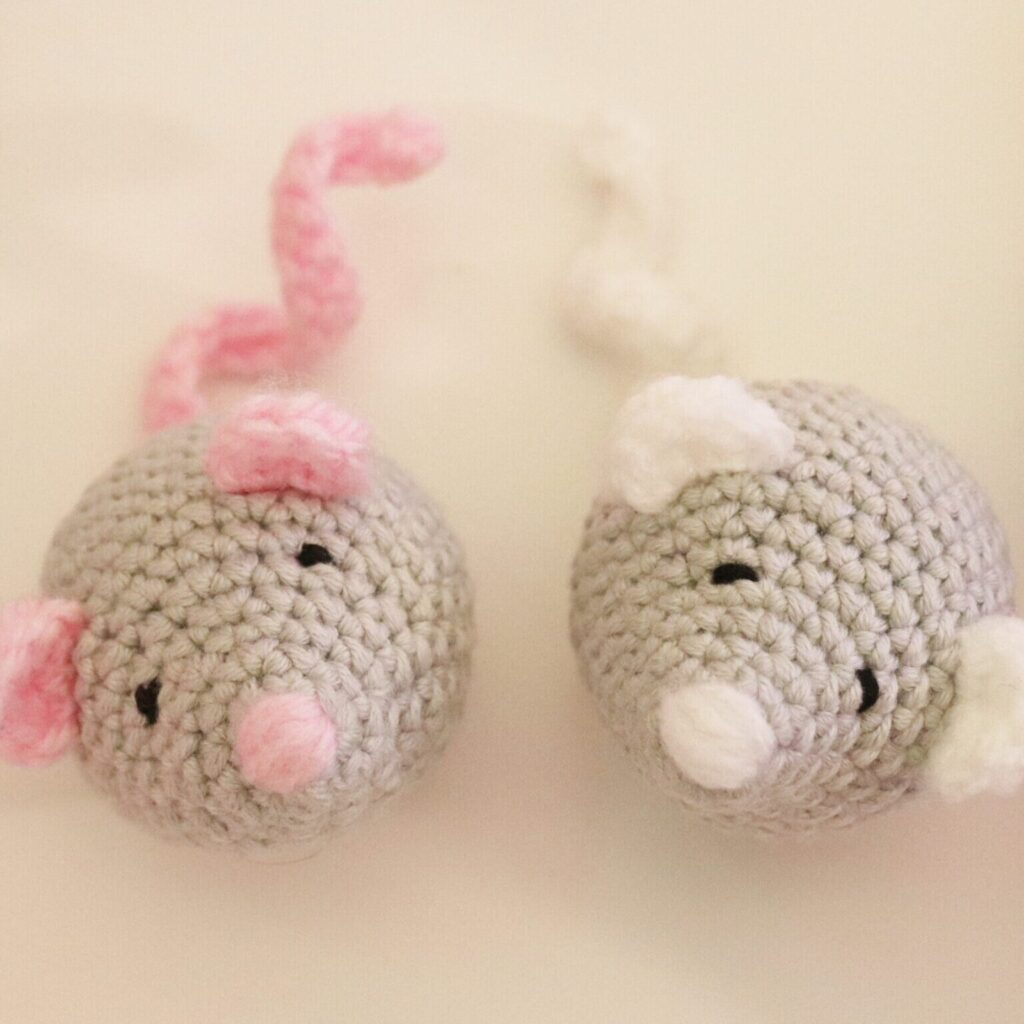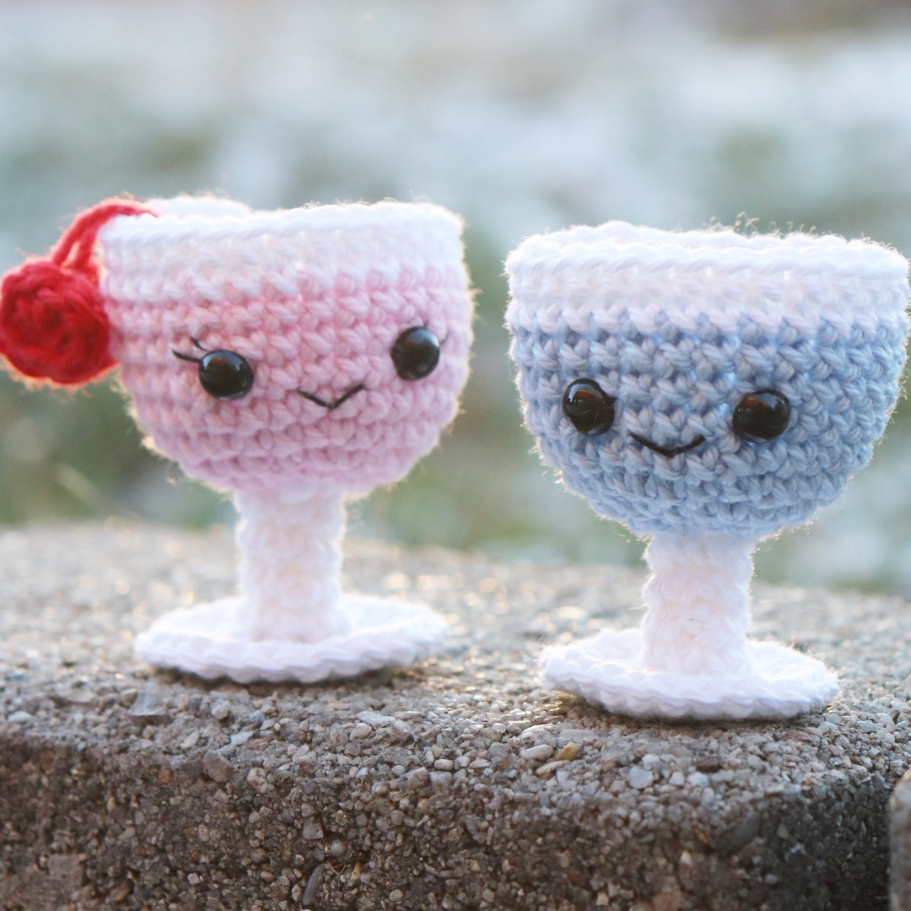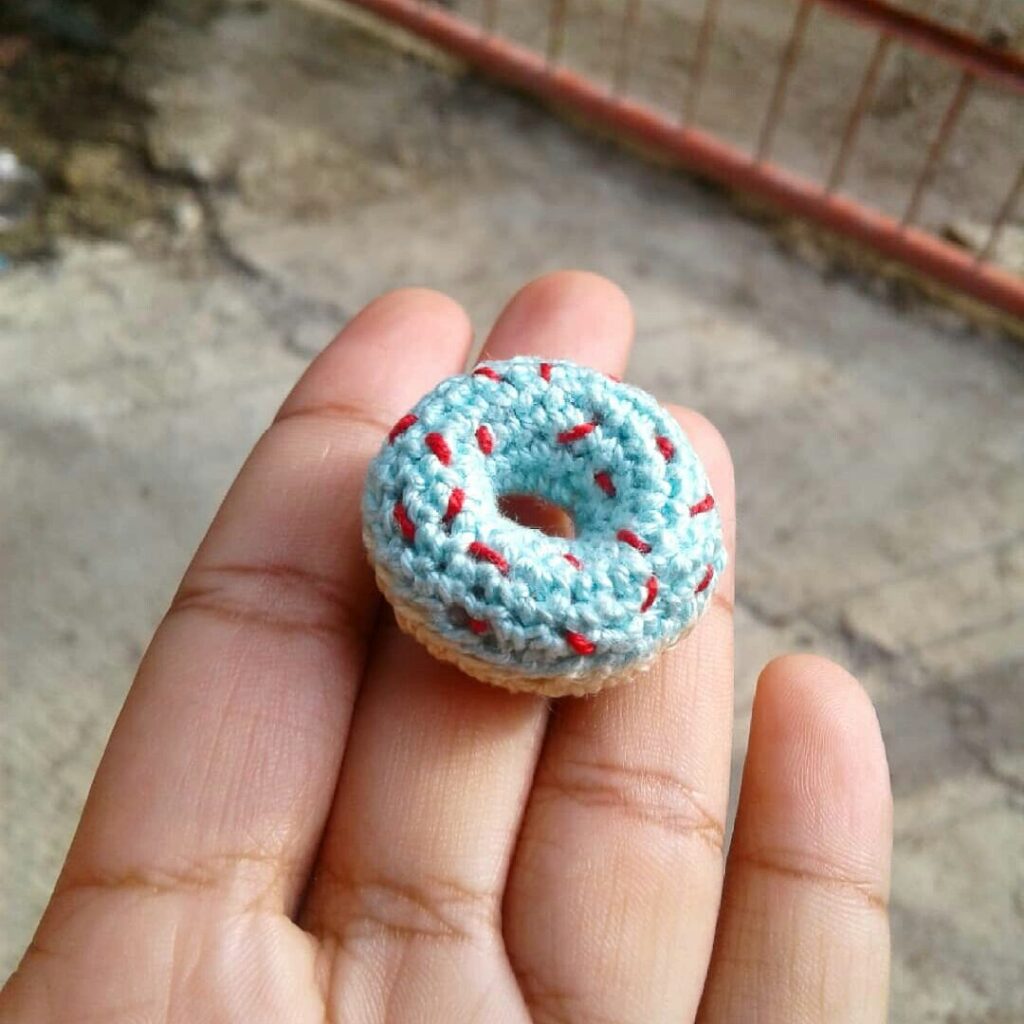
If you’re just starting out with crochet, reading a pattern can feel confusing at first. All those abbreviations, numbers, and symbols can make it look like a completely different language. I remember staring at my first pattern and wondering where to even begin.
The truth is, crochet patterns are actually very structured. Once you understand how they’re written, everything starts to make sense. It just takes a bit of practice and patience.
What a Crochet Pattern Really Is
A crochet pattern is simply a set of written instructions that guide you through a project step by step. It tells you:
- what materials to use
- which stitches are needed
- how many stitches to make
- and how to build your project from start to finish
You can think of it like a recipe. Instead of ingredients and cooking steps, you’re working with yarn, hooks, and stitches.
Materials Commonly Used in Crochet
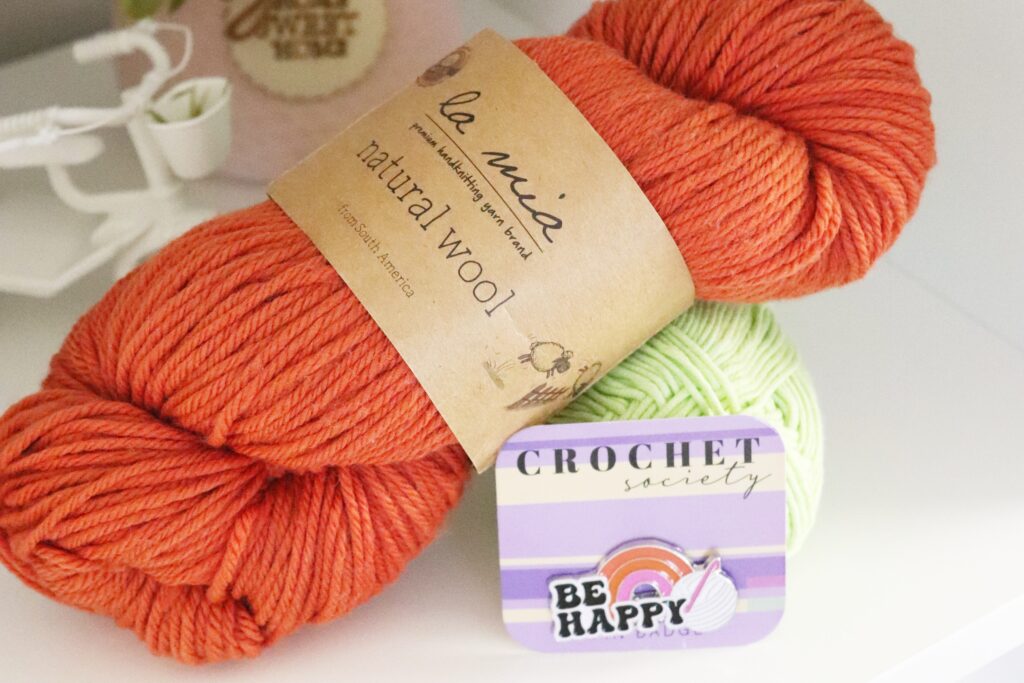
Before starting any pattern, it helps to understand the materials you’ll be working with. Most crochet projects use different types of yarn depending on what you’re making.
For wearables like sweaters, scarves, or cardigans, softer yarns are usually preferred. Cotton, acrylic, and wool blends are common choices because they’re comfortable and easy to work with.
For decorations such as table runners, coasters, or home accents, cotton yarn is often used. It holds its shape well and gives a clean, defined look to stitches.
For amigurumi (crocheted toys), many crocheters like to use cotton or acrylic yarn. Cotton gives a neat and structured finish, while acrylic is softer and more flexible. The choice usually depends on the look and feel you prefer. Fiber-fill or cotton or scrap yarns are also needed to stuff the amigurumi, you might need to explore which one you prefer.
No matter the project, yarn weight also matters. Thicker yarn creates bigger stitches, while thinner yarn gives more detailed results.
Crochet Hooks and Sizes
Crochet hooks come in different sizes, and choosing the right one can affect how your project turns out.
Hook sizes are usually labeled with a number or letter, depending on the system used. Smaller hooks create tighter stitches, while larger hooks make looser and bigger stitches.
For beginners, medium-sized hooks (around 4 mm to 5 mm) are often the easiest to start with. They’re comfortable to hold and work well with common yarn types.
When following a pattern, always check the recommended hook size. Using a different size can change the final look and size of your project.
For amigurumi, many crocheters prefer using a slightly smaller hook than recommended. This helps create tighter stitches so the stuffing doesn’t show through.
Rows vs. Rounds
One of the first things to check in any pattern is how the project is worked.
- Rows: worked back and forth (like scarves or blankets)
- Rounds (rnds): worked in a circle (like hats or amigurumi)
The pattern will always tell you which one to follow, and this affects how you read each step.
Why Patterns Look Complicated
Most patterns use abbreviations to save space. Instead of writing everything in full, designers shorten the terms.
For example:
- ch = chain
- sc = single crochet
- dc = double crochet
- inc = increase
- dec = decrease
At first, this can feel overwhelming. But once you get used to these shortcuts, reading patterns actually becomes much faster than following long written instructions.
Also, don’t be surprised if you see slight differences. Some patterns use capital letters, others don’t. It’s usually the same meaning, just written differently.
Understanding Pattern Structure
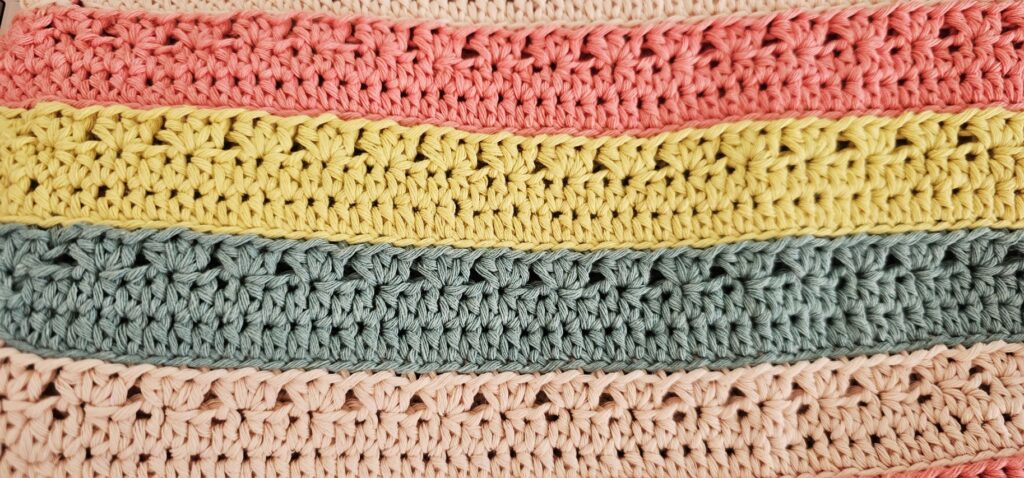
Most crochet patterns follow a similar layout. Once you recognize the sections, they become much easier to read.
You’ll usually see:
- Description – what the project is and how it’s made
- Materials – yarn, hook size, and tools needed
- Notes – helpful details like stitch style or special instructions
- Abbreviations – a list of terms used in the pattern
- Instructions – the actual steps (rows or rounds)
Some patterns also include finished size, skill level, or extra tips.
Always Read the Pattern First
This is one of the most important habits to build.
Before you start crocheting, read through the entire pattern from beginning to end. Even if the first few steps look simple, there might be techniques later that you’re not familiar with yet.
Skipping this step can lead to confusion halfway through your project.
How to Read the Instructions
Most crochet instructions follow a simple pattern:
Action → Repeat → Stitch count
For example:
- You’ll do a set of stitches
- Repeat them a certain number of times
- Then check the total stitch count at the end
You might see something like:
- repeat 6 times
- or a number in parentheses (like 18 sts)
That final number helps you confirm you’re on the right track.
Abbreviations
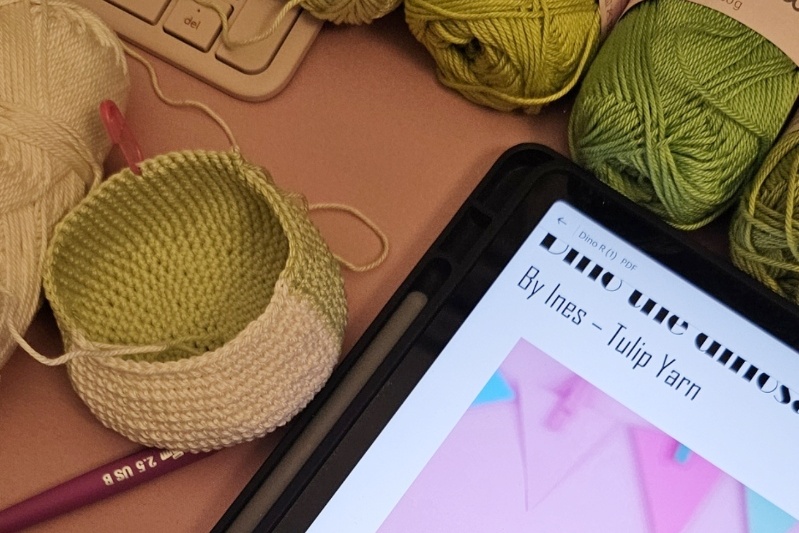
Here are the list of abbreviations you might consider to get familiar with
Basic Stitches
- ch – chain
- sl st – slip stitch
- sc – single crochet
- hdc – half double crochet
- dc – double crochet
- tr – treble crochet
- dtr – double treble crochet
Common Terms
- st – stitch
- sts – stitches
- sp – space
- rep – repeat
- sk – skip
- beg – beginning
- cont – continue
- turn – turn your work
Increases & Decreases
- inc – increase (2 stitches in the same stitch)
- dec – decrease (combine stitches into one)
- sc2tog – single crochet 2 stitches together
- dc2tog – double crochet 2 stitches together
Working in Specific Loops
- BLO – back loop only
- FLO – front loop only
- BL – back loop
- FL – front loop
Pattern Structure Terms
- rnd / round – a complete circle of stitches
- row – a line of stitches (back and forth)
- RS – right side
- WS – wrong side
- ( ) – group stitches together
- [ ] – repeat instructions
- * – marks repeat sections
Amigurumi Terms (Very Common)
- MR / magic ring – adjustable starting loop
- inv dec – invisible decrease
- FO – fasten off
Repeats and Symbols
Patterns often use symbols to show repeats and grouping:
- ( ) parentheses – group stitches together
- [ ] brackets – show repeated sections
- * asterisks – mark where repeats begin and end
Take your time when reading these. Go step by step instead of trying to understand everything at once.
US vs. UK Terms
One small but important detail: crochet terms can differ depending on the country.
For example:
- In US terms, sc means single crochet
- In UK terms, that same stitch is called double crochet
Most patterns will tell you which terminology they use, so always check this before starting.
Tips That Help (Especially for Beginners)
Here are a few things that made a big difference for me:
- Read the pattern fully before starting
- Count your stitches regularly to avoid mistakes
- Check your gauge if size matters (like clothing)
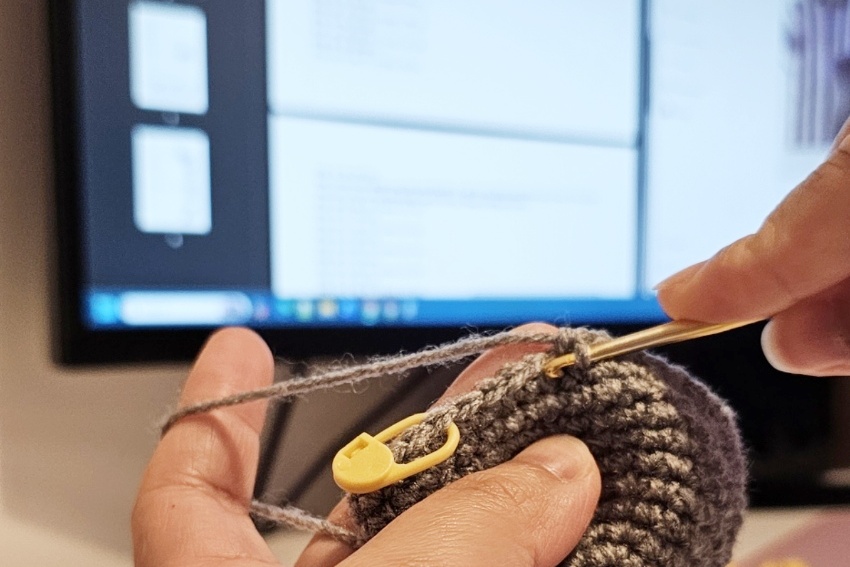
- Use a stitch marker to keep track of your rounds
- Keep the abbreviation list nearby while working
And most importantly, don’t rush. It’s normal to feel lost at first.
Why Learning to Read Crochet Patterns Matters
When I first started crocheting, I relied a lot on video tutorials. They’re helpful, especially in the beginning, because you can actually see each step being done. But over time, I realized that depending only on videos can be limiting.
Learning how to read crochet patterns gave me a lot more freedom and confidence in my projects.
Here’s why it makes such a big difference:
- You get access to more patterns.
Most crochet designs are written, not filmed. Once you can read patterns, you’re no longer limited to what has a video tutorial. - It saves time.
You don’t have to pause, rewind, or search through a video. You can move at your own pace and go back to any step instantly. - You can crochet anywhere.
Written patterns are easy to bring with you. No need for internet, batteries, or setting up a screen while you work. - You improve your skills faster.
Reading patterns helps you understand how stitches, shaping, and construction work together. - You become more independent.
You’re not relying on someone else to demonstrate every step. You can follow any pattern that interests you. - It’s easier to follow updates and corrections.
Written patterns can be adjusted or improved by designers, which makes them more reliable over time.
Practice Makes It Easier
Reading crochet patterns is not something you master in one day. It becomes easier the more you practice.
At the beginning, you might need to:
- reread instructions several times
- double-check your stitches
- undo and redo parts
That’s completely normal.
Over time, you’ll start recognizing patterns, understanding repeats quickly, and even predicting what comes next.
Final Thoughts
Learning to read crochet patterns opens up so many possibilities. Instead of relying only on video tutorials, you’ll be able to follow any written design and work at your own pace.
It might feel overwhelming at first, but once it clicks, it really does become second nature.
Just take it one row at a time.
I started a short weekly course on learning How to Crochet. Start learning with Woolshie every week.
Stay connected with me:
What’s Next?
Try to read these Easy and Beginner-Friendly Crochet Patterns by Woolshie